
MEDIA RELEASE
It is vital that all patients – including those in the community waiting for an ambulance – receive appropriate and timely care. This requires a whole of system approach to managing patient flow and demand.
The AEA welcomes SA Health’s clarification that hospitals have responsibility for patients once they arrive at ED, and its emphasis on finding a safe place for offload of ambulance patients to free up ambulances so they can respond to the community.
The AEA firmly rejects the offensive suggestion made by the Shadow Health Minister, Ashton Hurn that Paramedics and Ambulance Officers will “dump” patients at hospitals and “run”. Our ambulance clinicians will always act in the best interests of their patients and will never put their patients at risk of harm.
The AEA continues to call for better processes and resourcing to facilitate the transfer of care of ambulance patients to hospital, the flow of patients through hospital, and the discharge of patients from hospital. The AEA reiterates the urgent need for Transit Wards in hospitals to help with patient flow in and out of our hospitals. The AEA also repeats our calls for improved, expanded services for geriatric patients and increased hospital capacity for providing care to patients suffering from mental ill health.
Quotes Attributable to AEA General Secretary, Paul Ekkelboom
The emphasis on offloading ambulance patients into hospital EDs, where it’s clinically appropriate to do so, is timely recognition of the dangers of external ramping to the South Australian community.
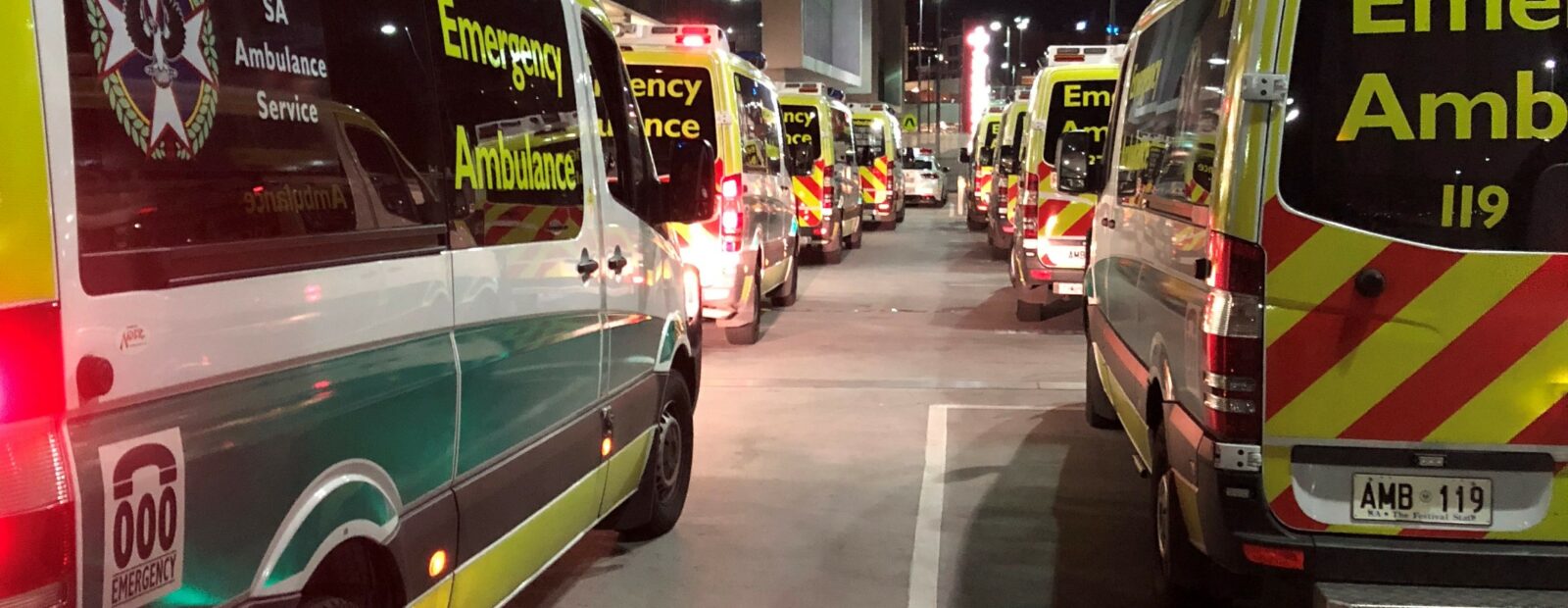
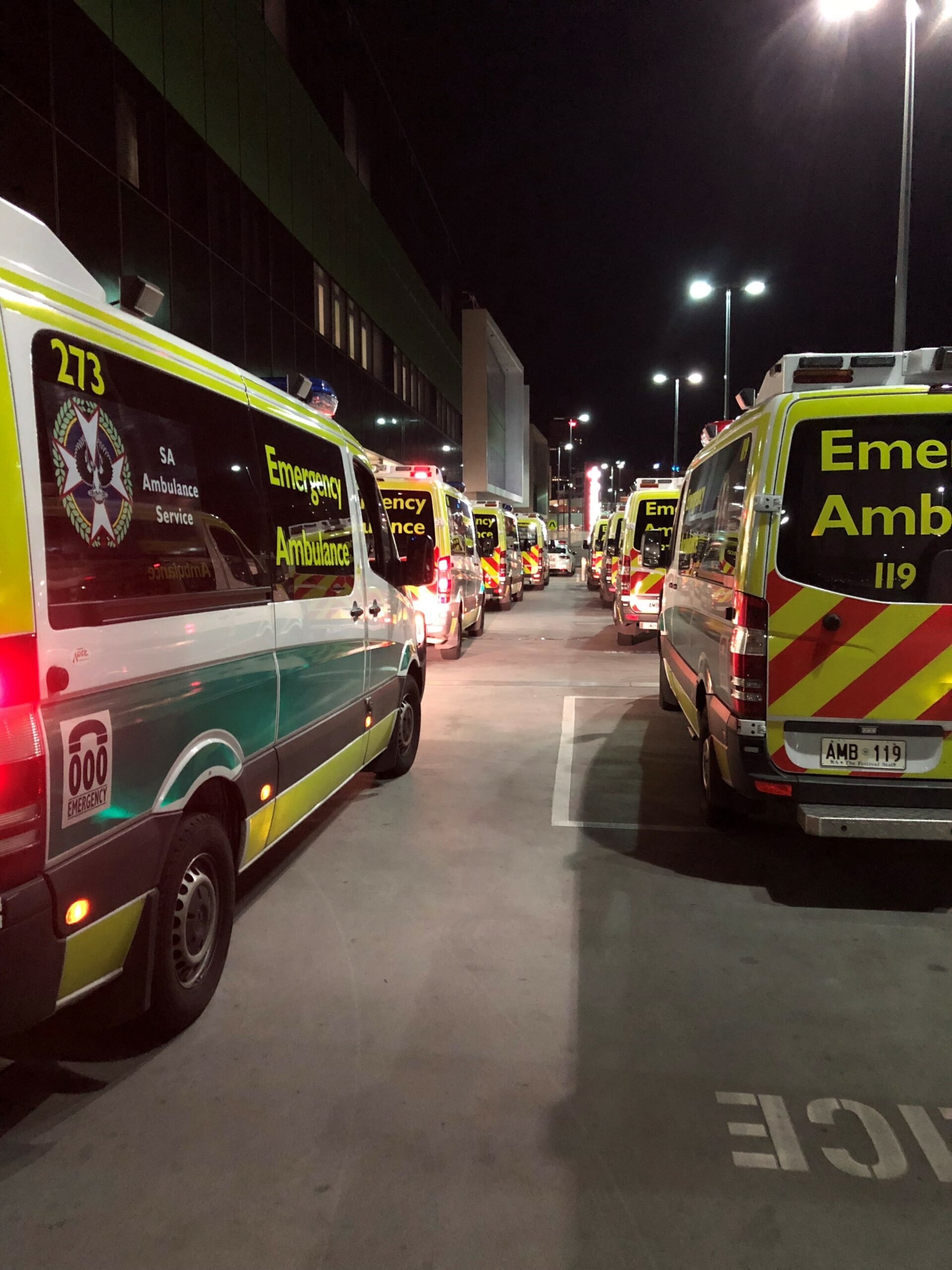
The distinction between a patient waiting inside the hospital or outside the hospital might seem slight but it is important: if patients can safely wait inside hospitals rather than on the ramp, ambulances are freed up to respond to the community. Ambulance availability is vital for a safe and effective health system.
The patient most at risk is not the patient in the hospital ward or in the hospital ED. It’s not even the patient in the hospital corridor or the patient ramped in the back of an ambulance. It’s the patient out in the community who has called triple zero, who hasn’t been assessed or accessed care, and who an ambulance can’t get to – because it’s stuck on the ramp.
Authorised by AEA General Secretary Paul Ekkelboom